Soma: An AI enabled embodied stress management system
Made for
Pratt Institute, this was a project I worked on for one of my classes during my masters degree. This paper was included in the ACM-TEI 2026 conference proceedings.
Made in
2 months in Fall 2025
Responsibilities
Conducted user research, worked on physical and digital prototyping. Worked with Figma Make to create prototypes.

Background

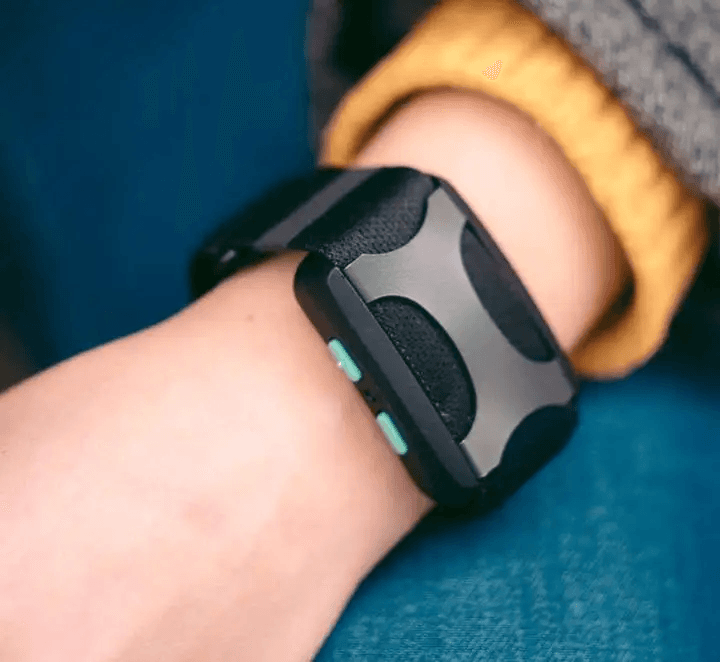
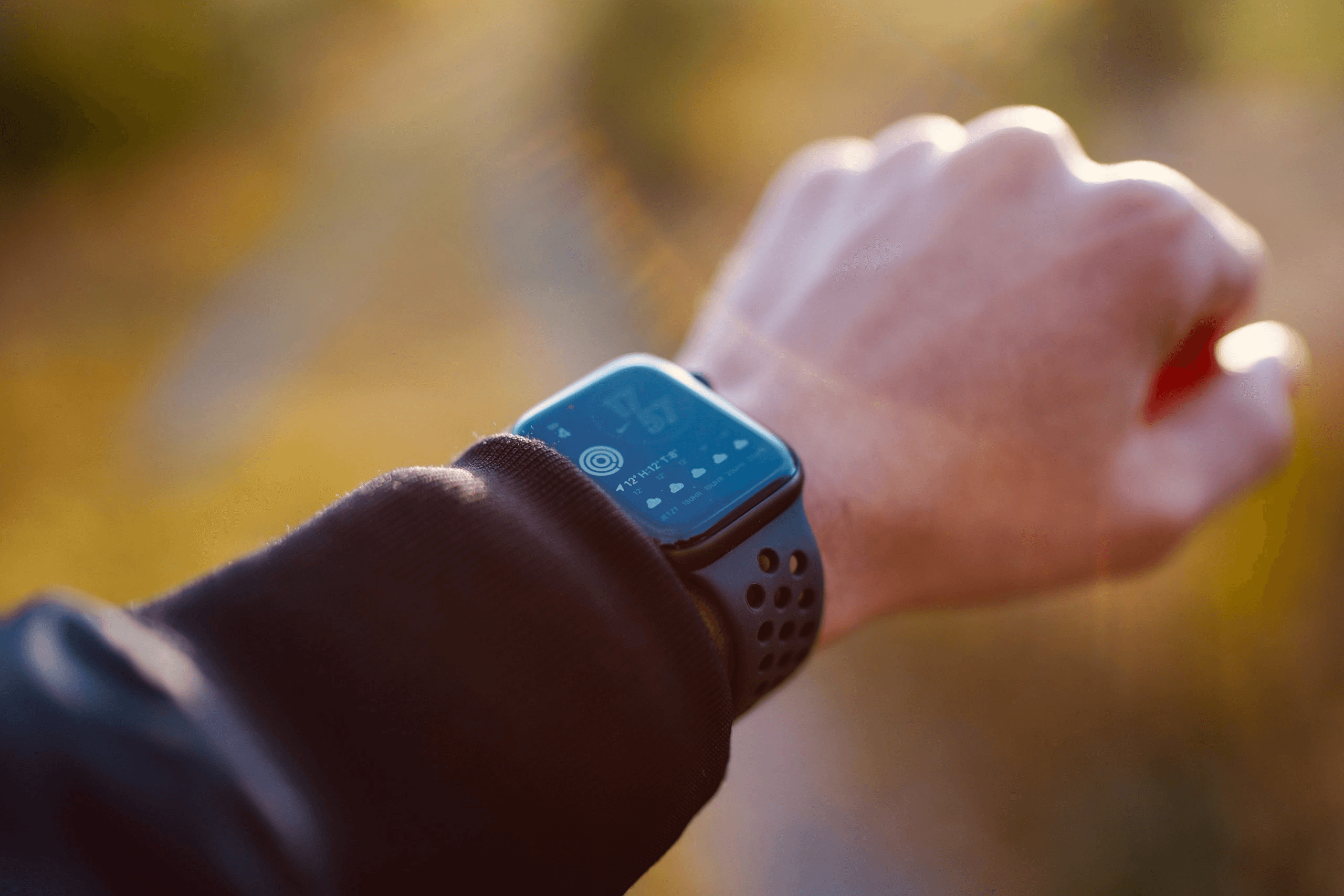
Over 75% people feel physical or emotional symptoms of stress, but existing tools treat managing it as an optimization task.

Mental wellbeing apps

provide unpersonalized approaches for stress management.

Wearable Biofeedback

makes metric optimization a task in itself.

Physical objects

lack feedback on how to improve state of mental wellbeing.

So, the question remains...We asked..

How can we help people manage stress in a way that matches the unique rhythms of their body?

Introducing

Soma, a connected wellness ecosystem that helps people grow through their stress.
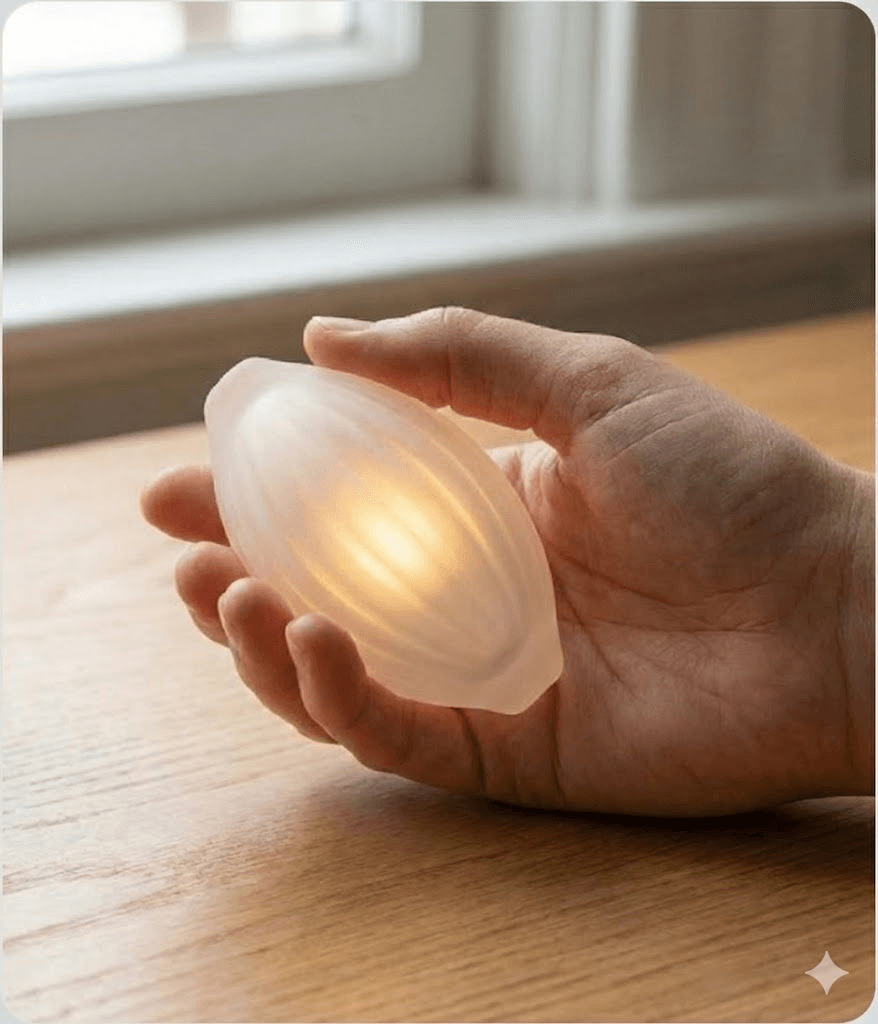
1

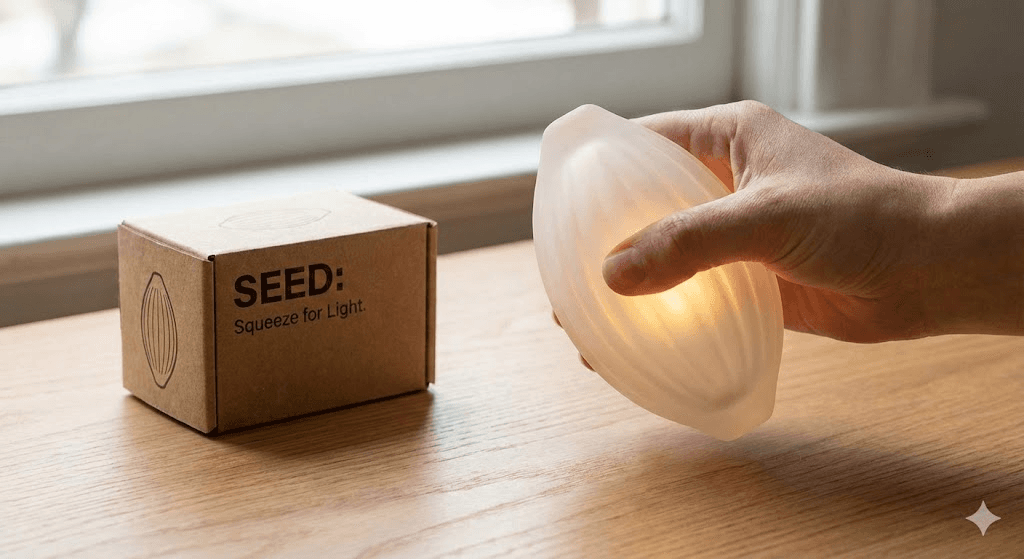
When stress hits, squeeze the SomaSeed for relief.

2

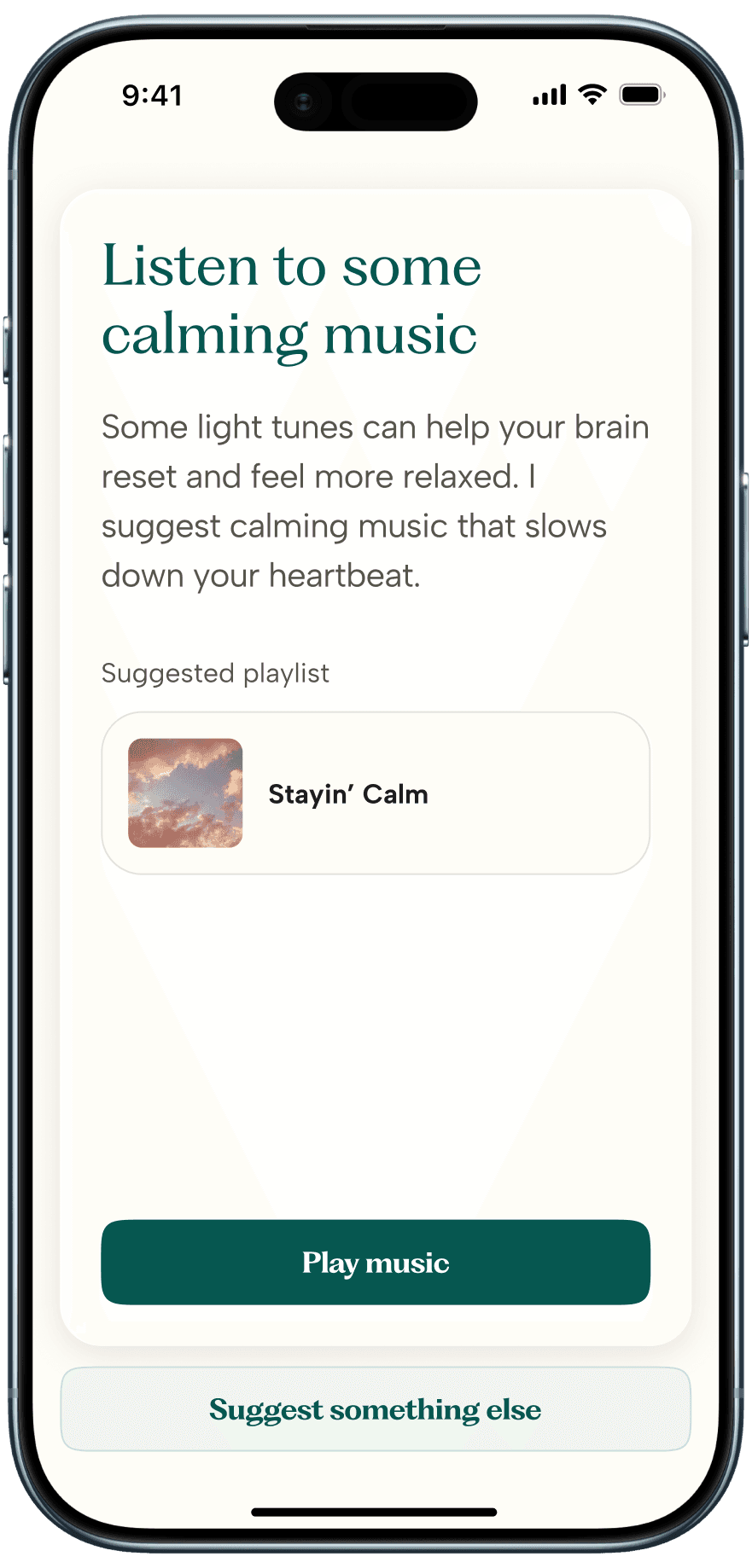
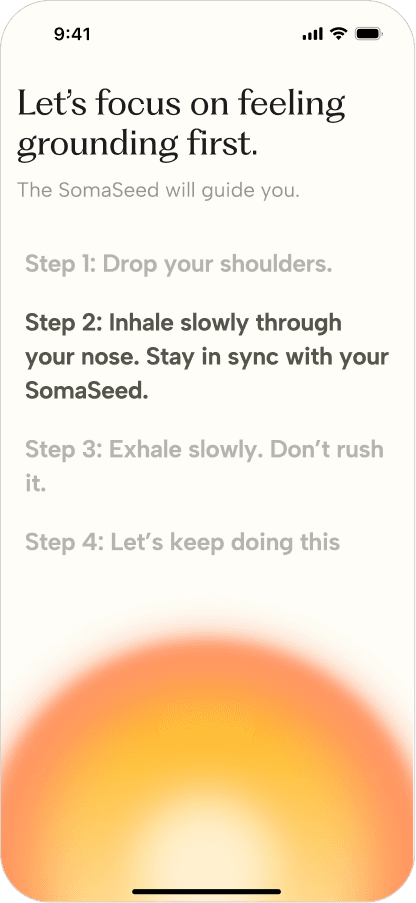
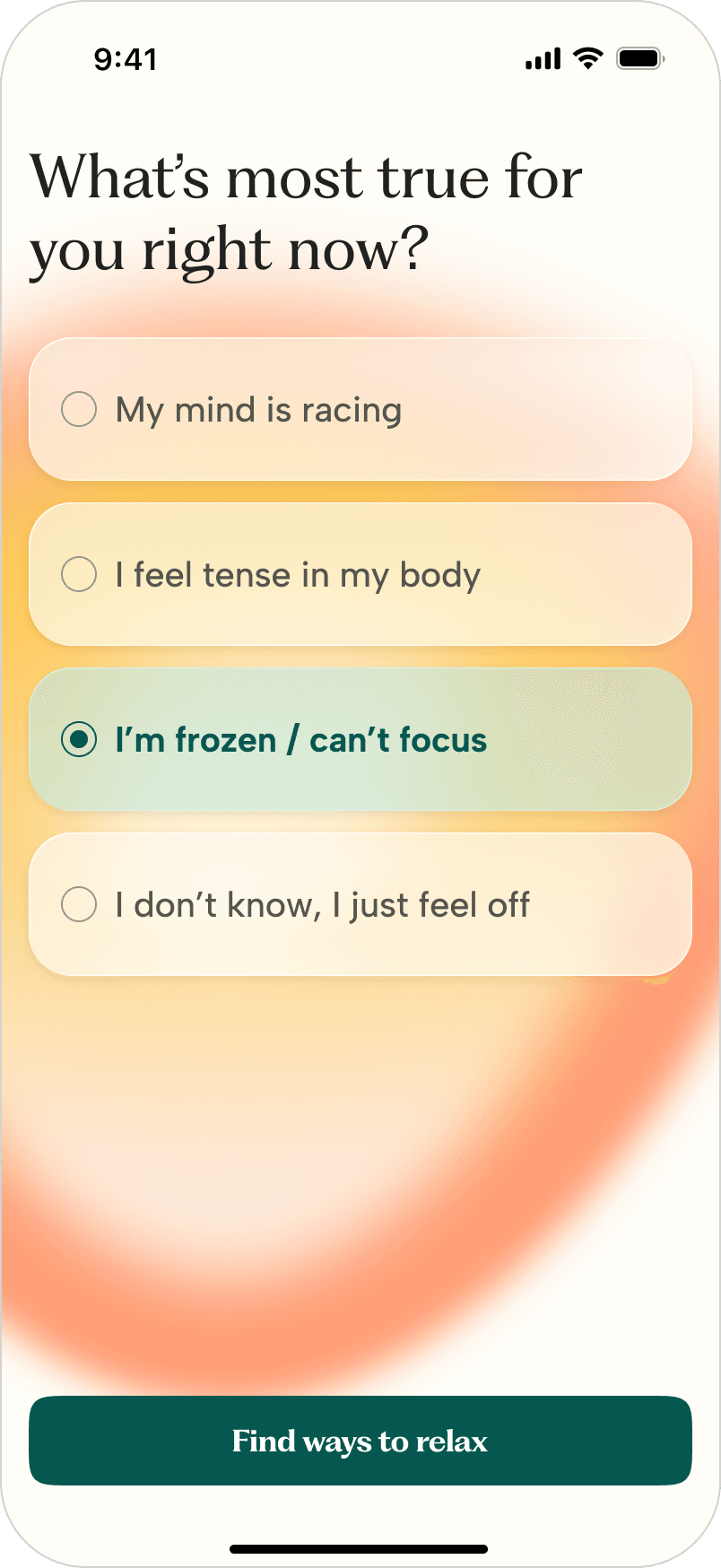
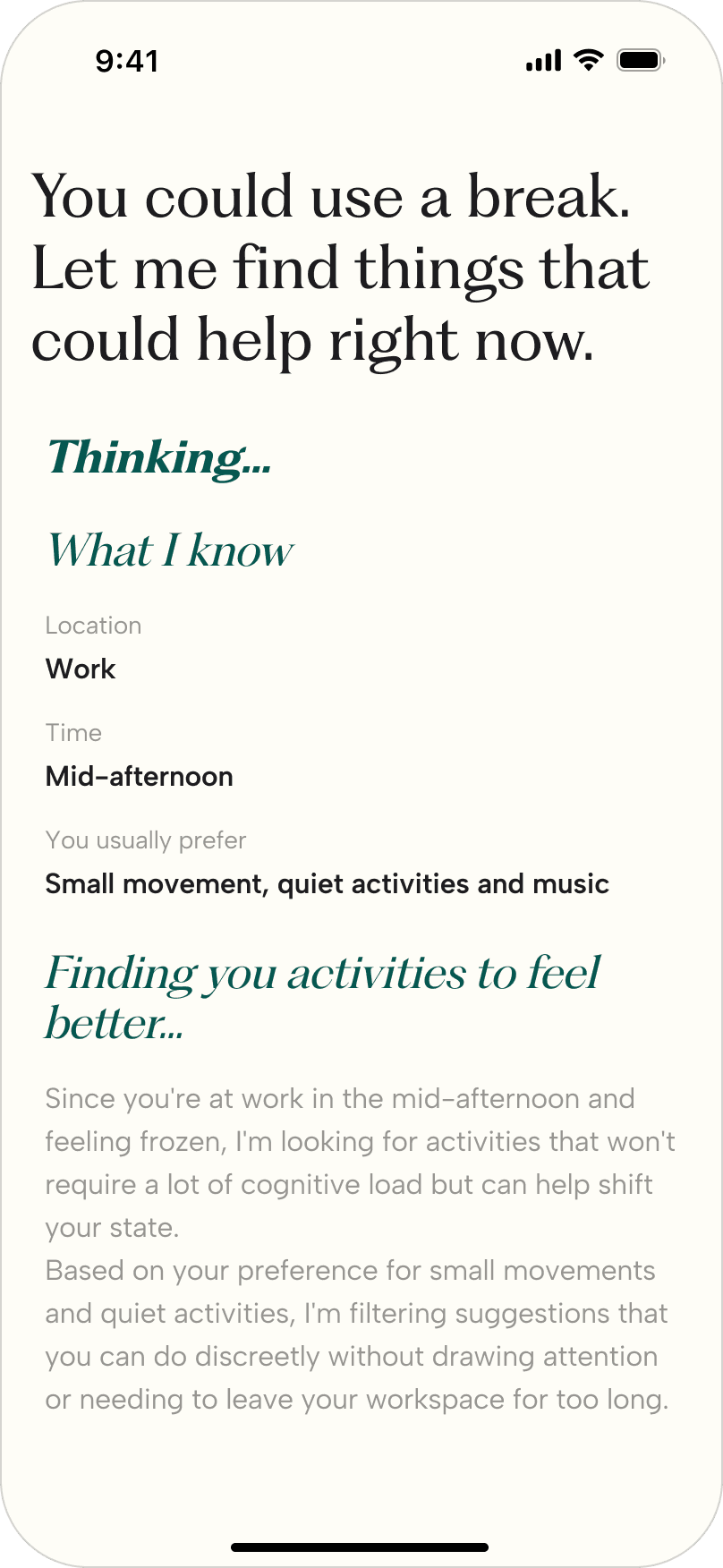
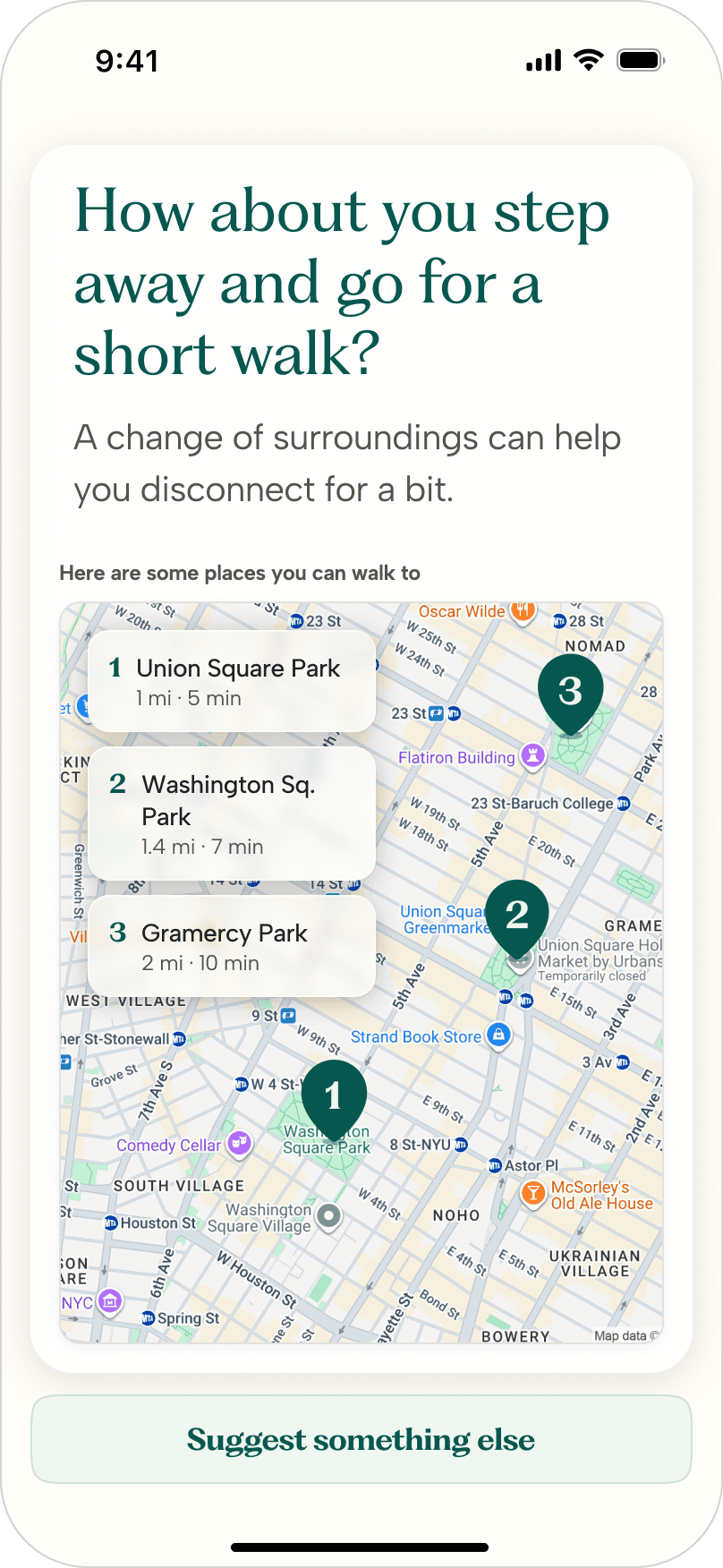
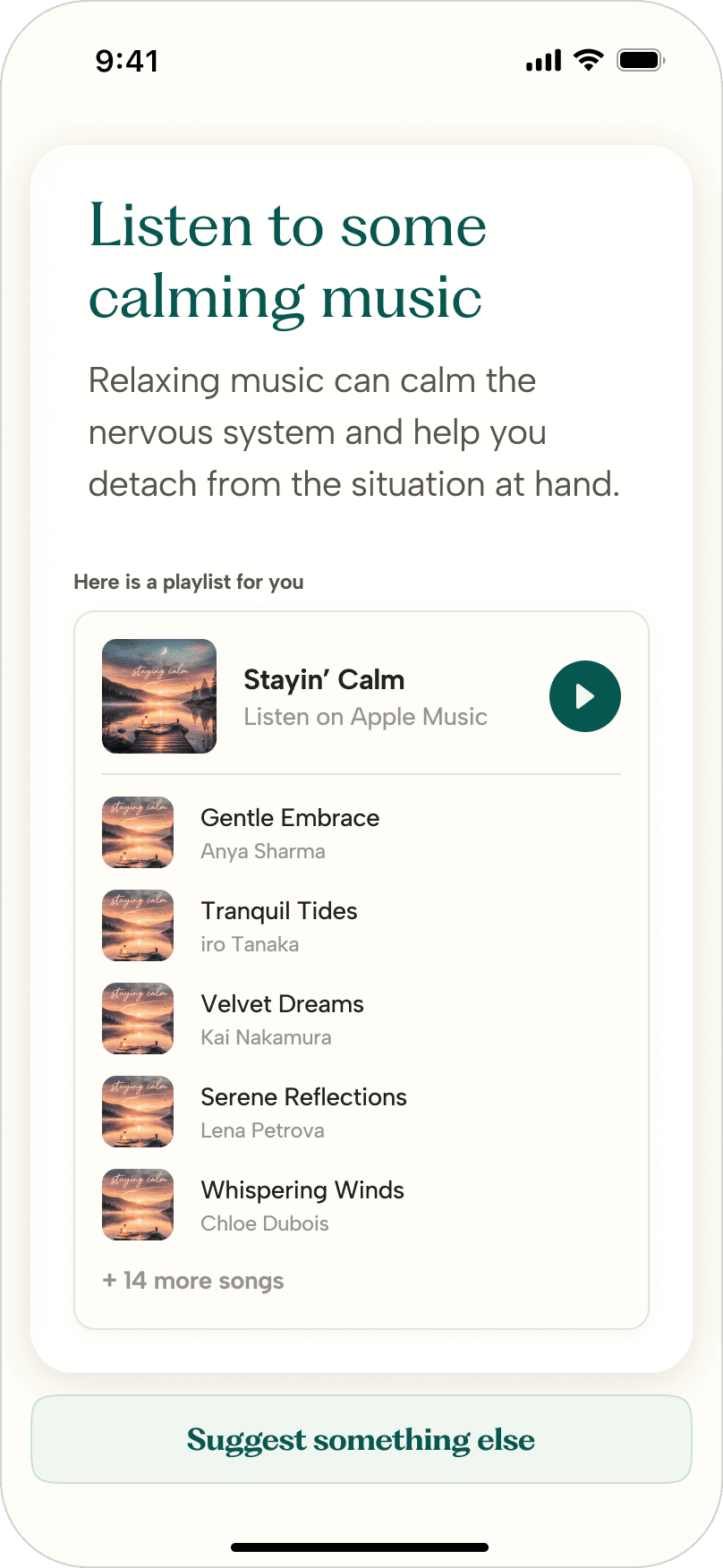
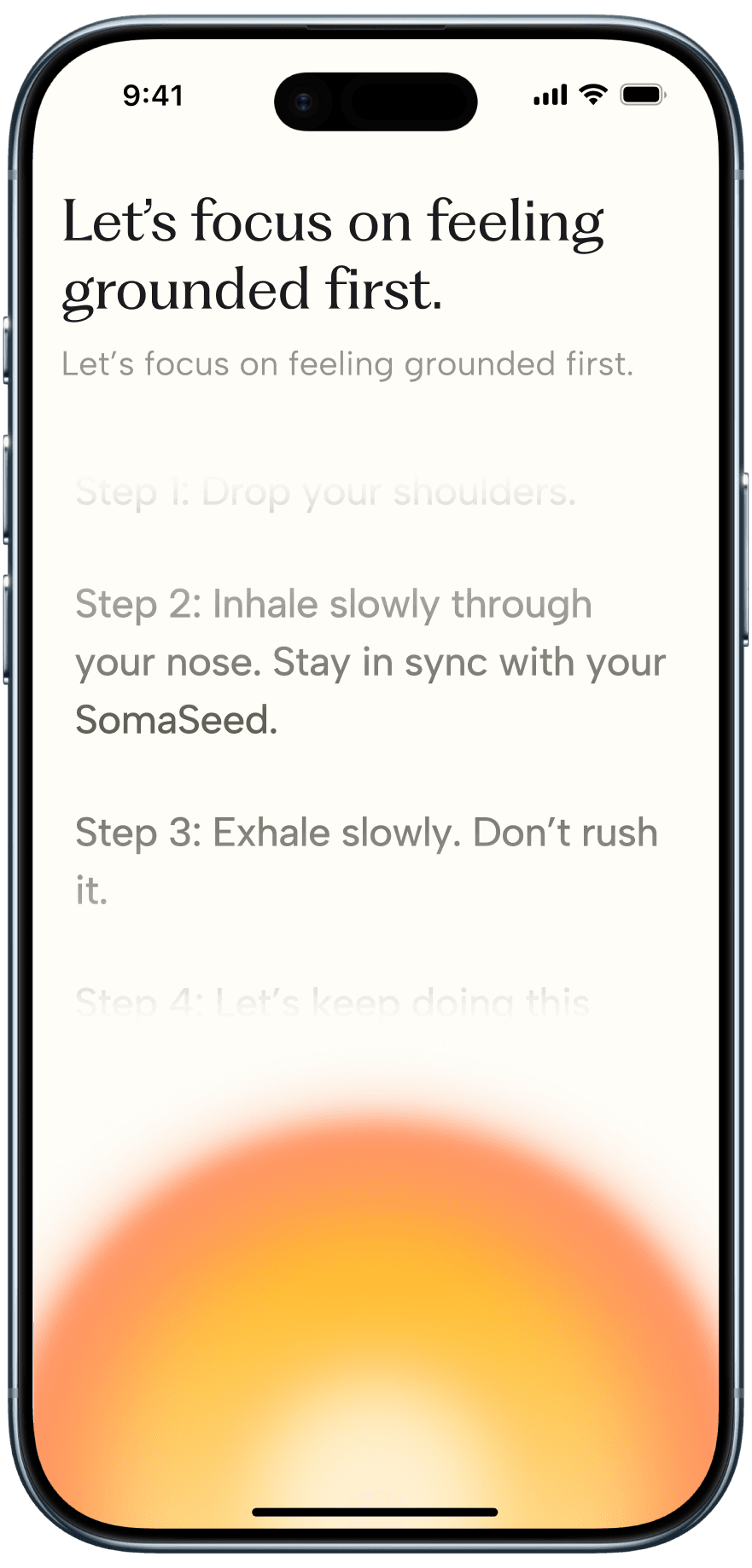
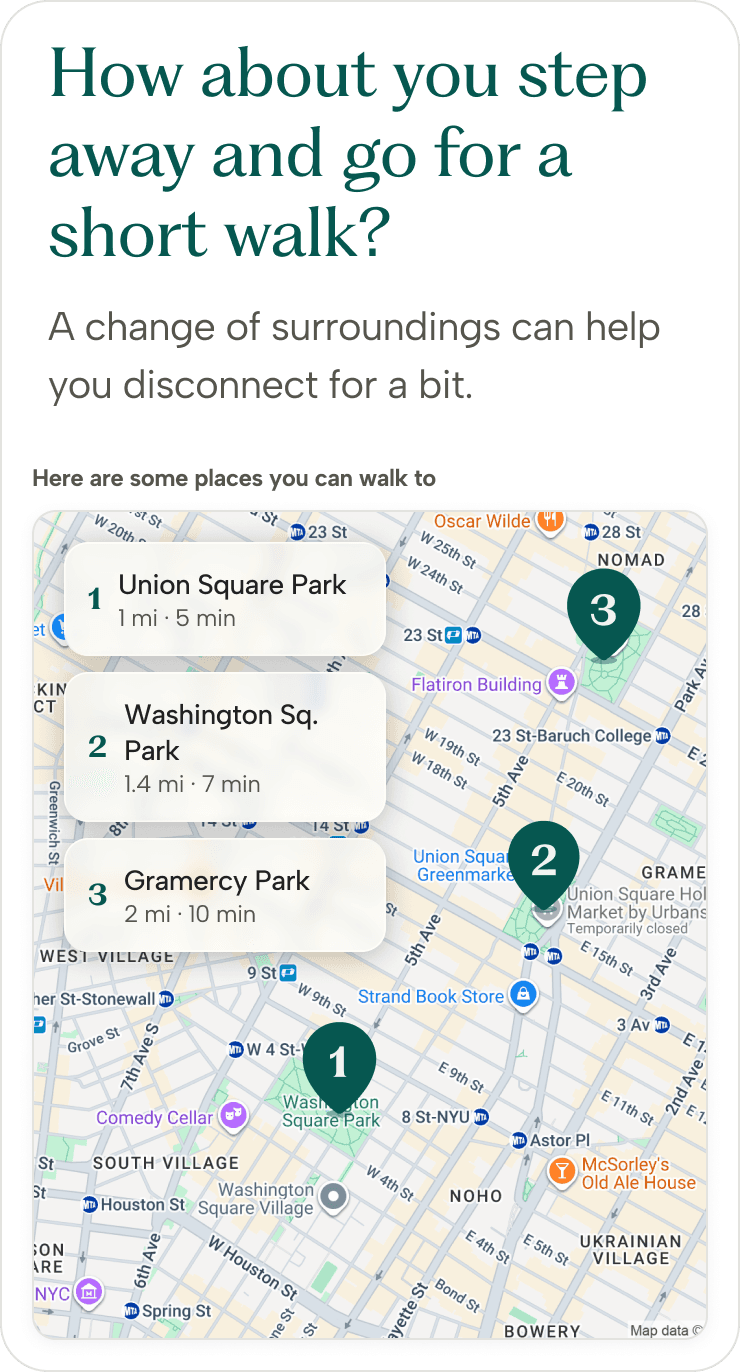
The Soma app suggests micro-breaks based on your preferences and the current situation.
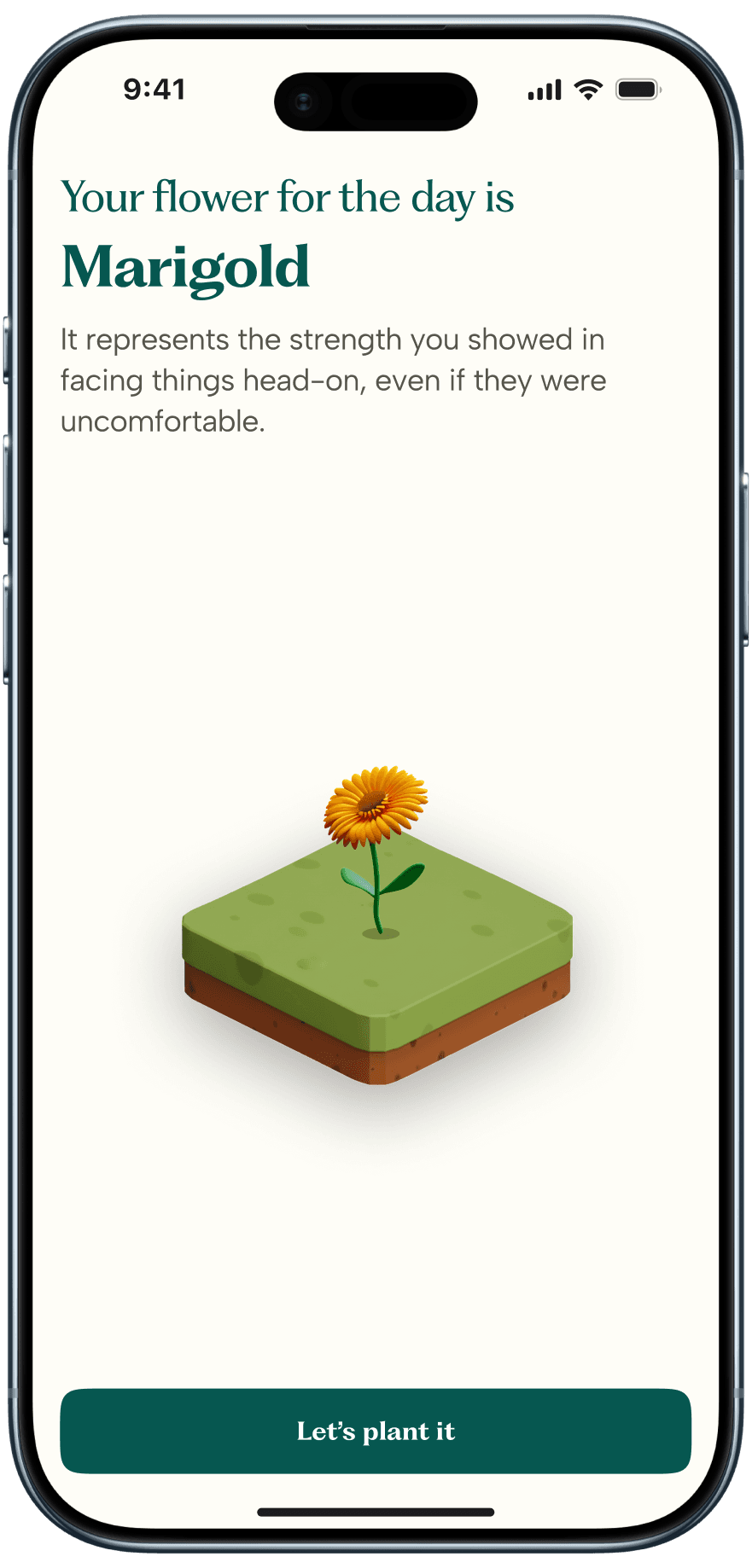
3

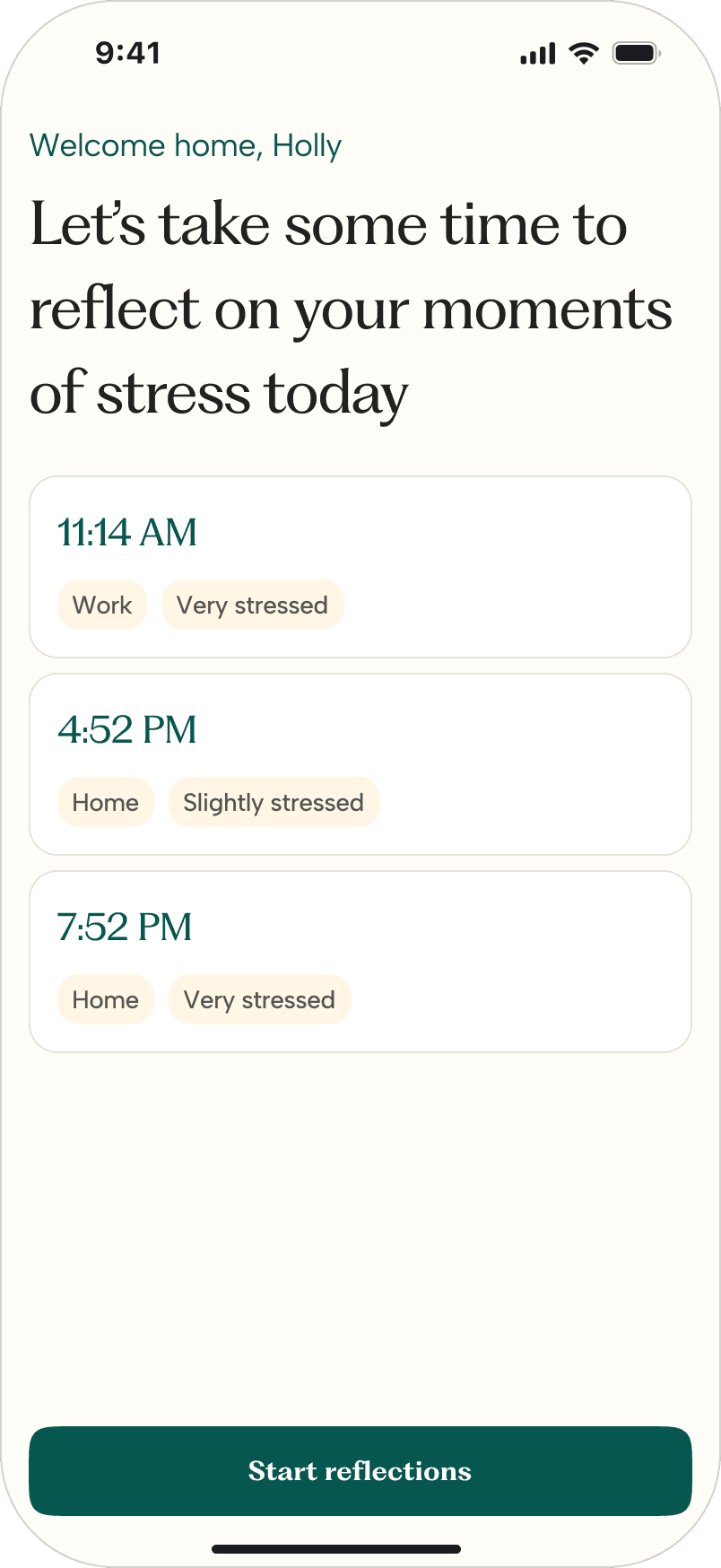
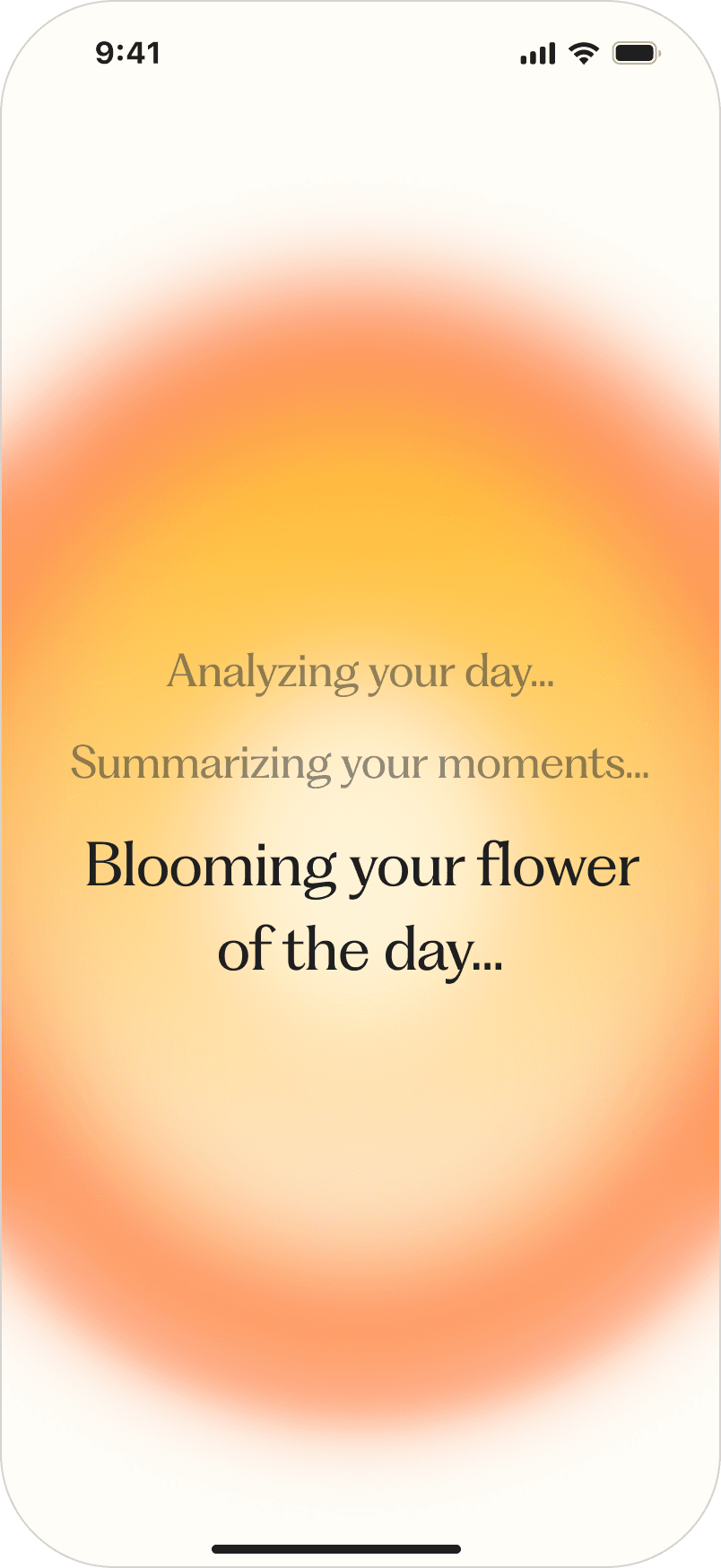
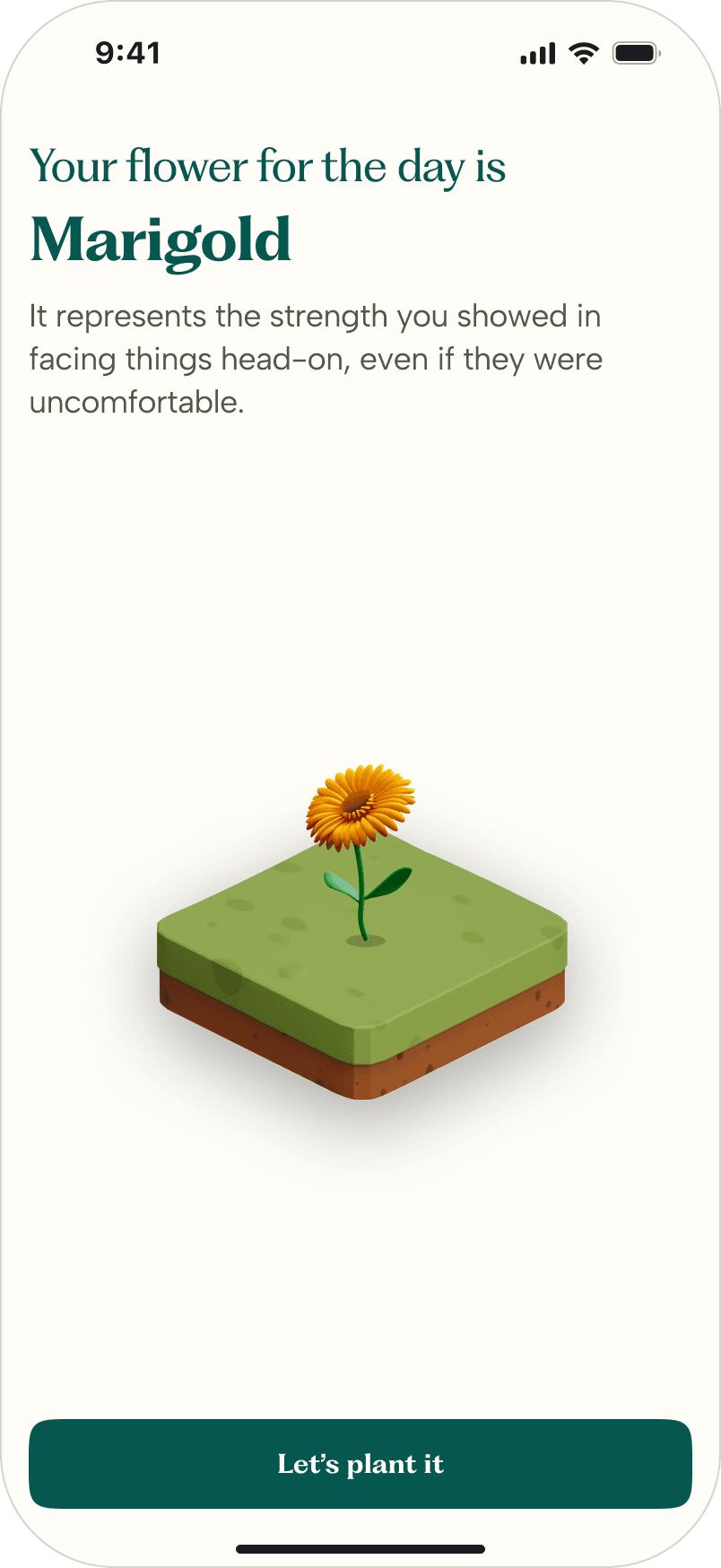
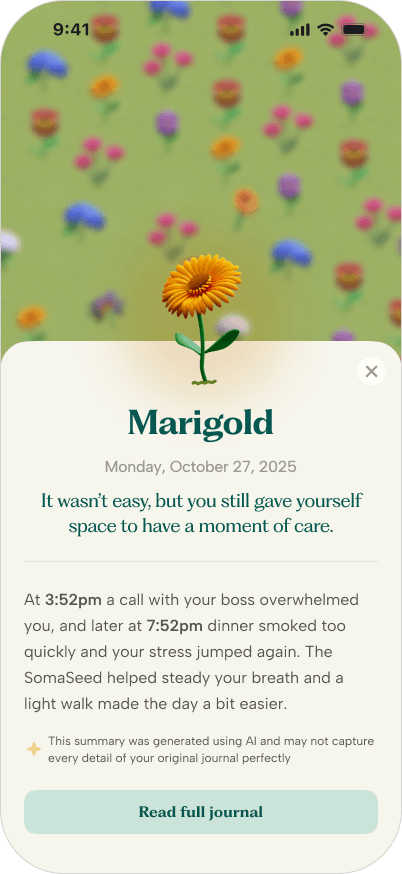
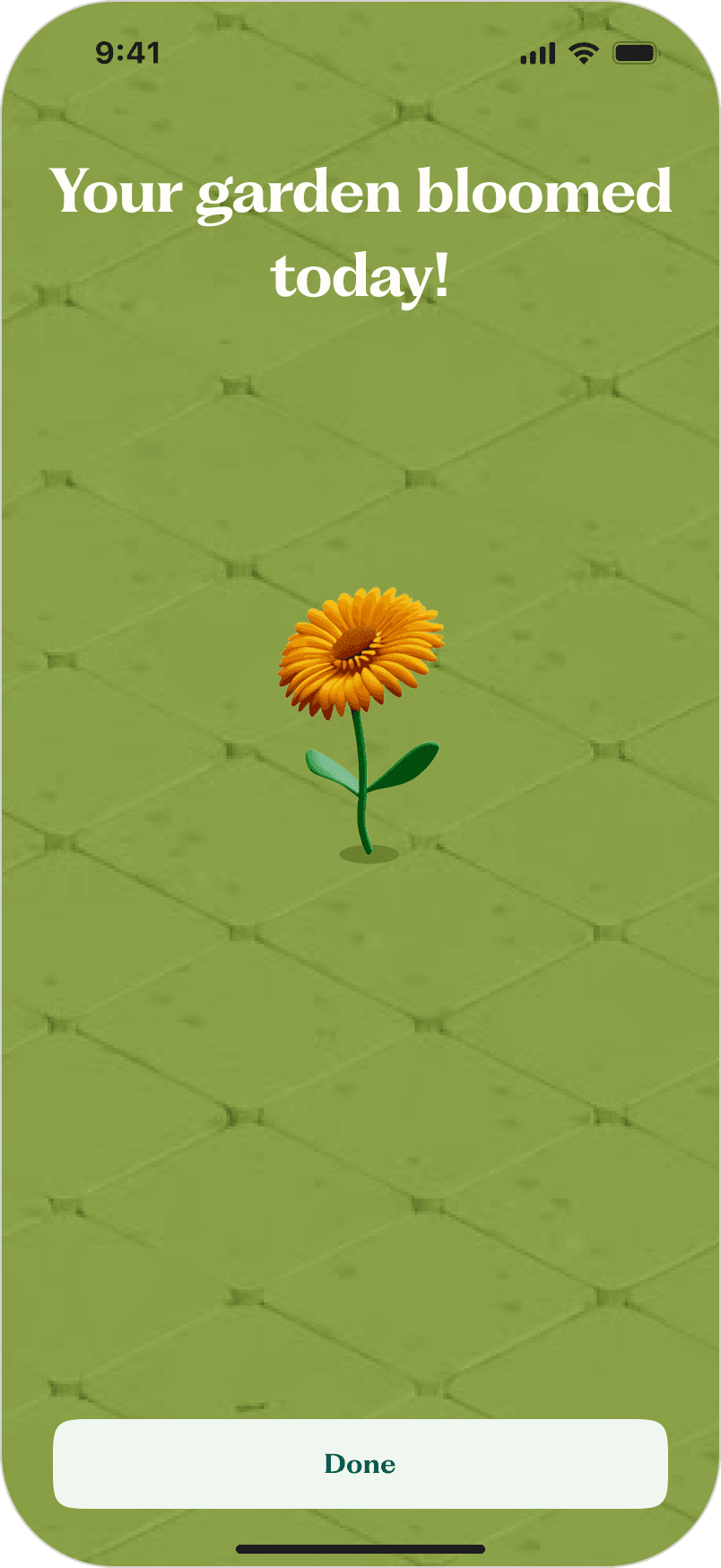
At the end of the day, reflect on your moments of stress and Soma will generate a digital flower based on how you coped.
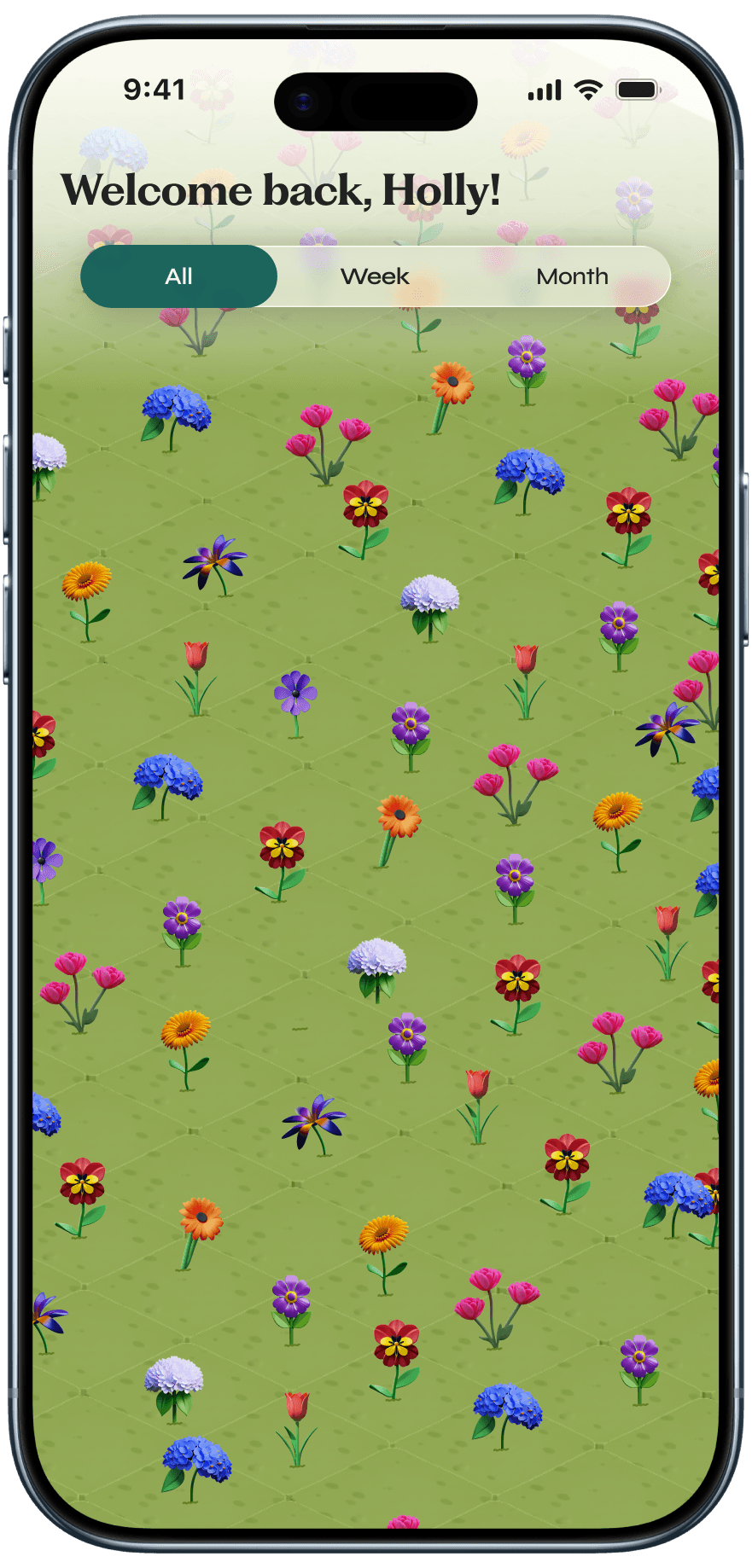
4

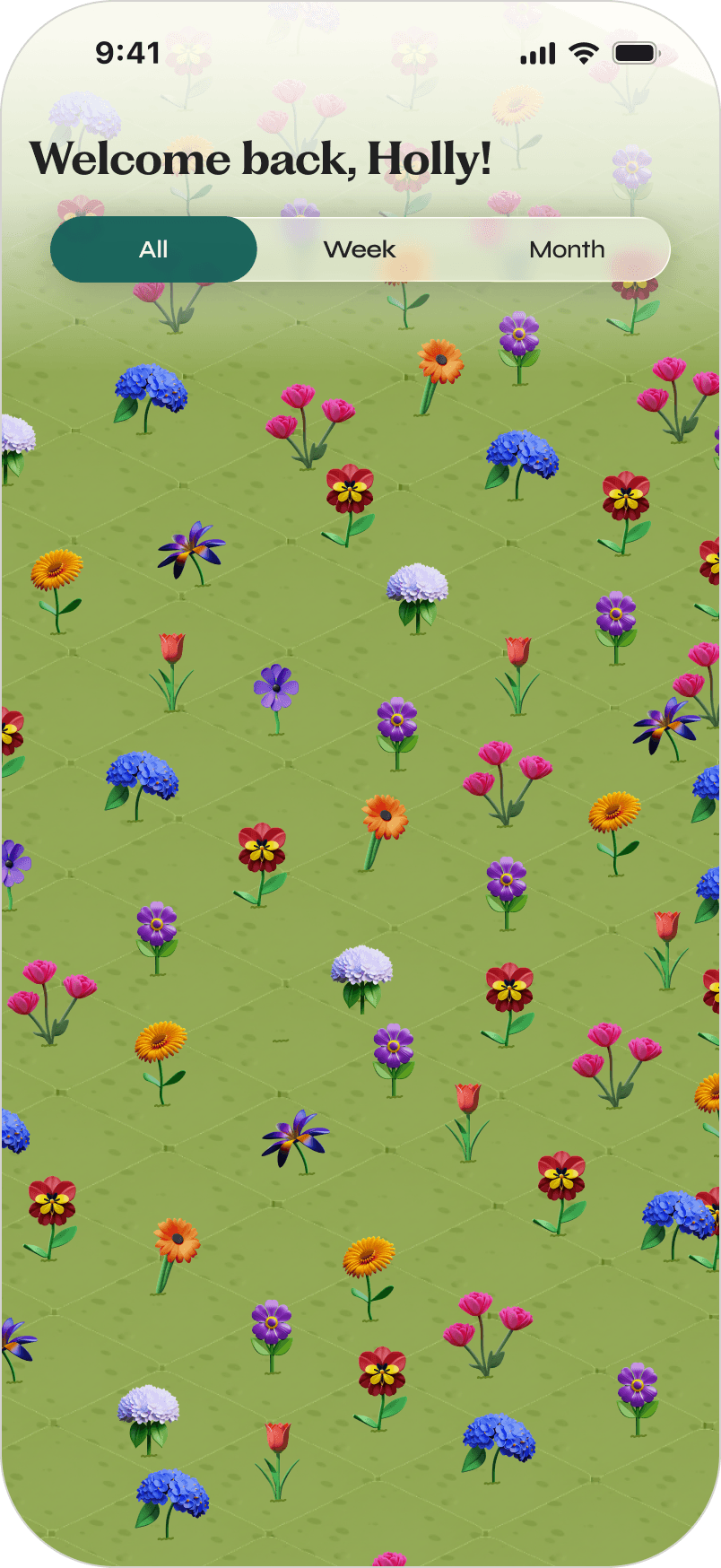
See your garden bloom with flowers that show your patterns of coping.
Research & Ideation

Speaking to 7 people, we found stress management is a personal and intuition-based process.

This helped narrow down on 3 key design insights:

Research takeaway

Under stress, people default to their behaviour that feels familiar.

E.g., a gamer opens Steam; a person who journals reaches for a notebook.

Supported by

Research takeaway

Calm is sensory and personal. There’s no universal trigger.

Silence restores one person; another needs ambient noise or a specific scent.

Supported by

Research takeaway

People want structure, but are not able to build consistency.

A consistent sleep schedule collapses during exams or a heavy work week.

Supported by

Based on these insights, we thought a user journey that allows the user to manage moments of stress and learn from them.

Moment of stress

Day goes on

Micro-break, if very overwhelmed

Release stress from the day

Feel lighter and better prepared to handle stress

Day starts

Stress hits

Simple instant relief

Surface simple intuitive activities.

Introduce a physical object

Build a daily ritual for wellbeing.
☀️😰😮‍💨😮‍💨😮‍💨😄

Designing the physical object

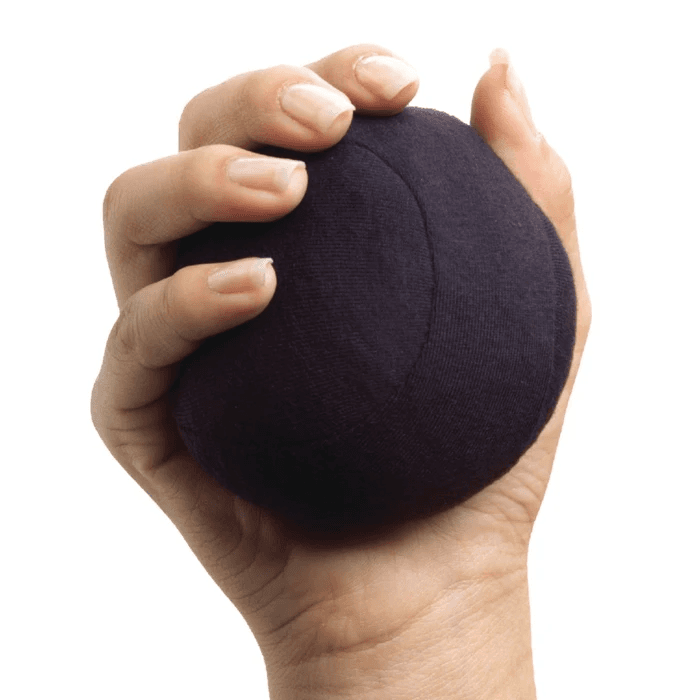
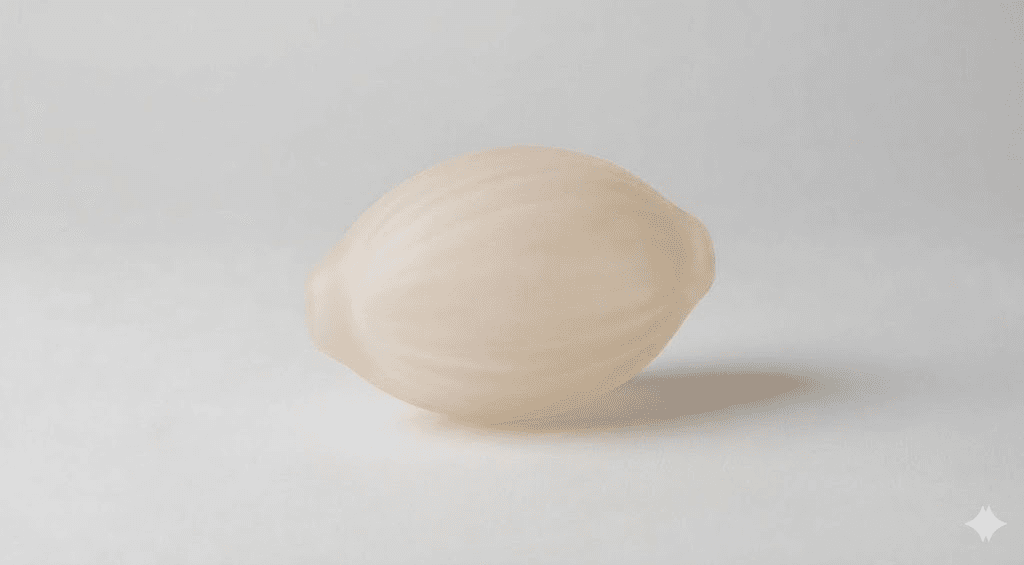
The idea to include an emotionally simple physical interaction led to SomaSeed: a tactile squeezable object users can reach for when stress spikes.

Hand squeezing the SomaSeed prototype

Designed to understand your body’s signals of stress through sensors.

  • Breathing rate
  • Heart rate
  • Grip pressure
  • Galvanic skin response (sweat)
SomaSeed resting in its terrarium

When squeezed, AI translates these signals into pulsating glows.

The seed guides you to physically release stress and breathe better.

Creating the app

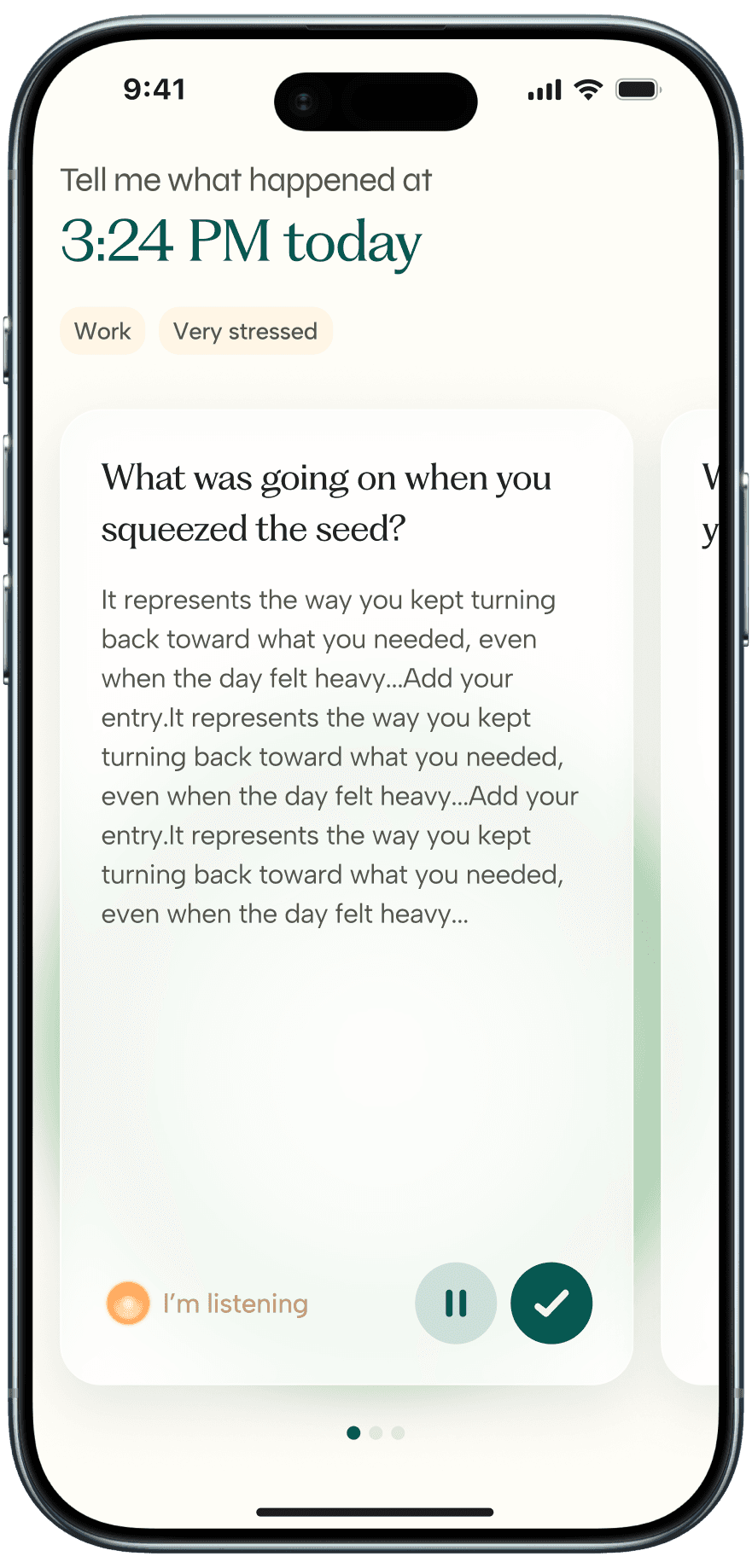
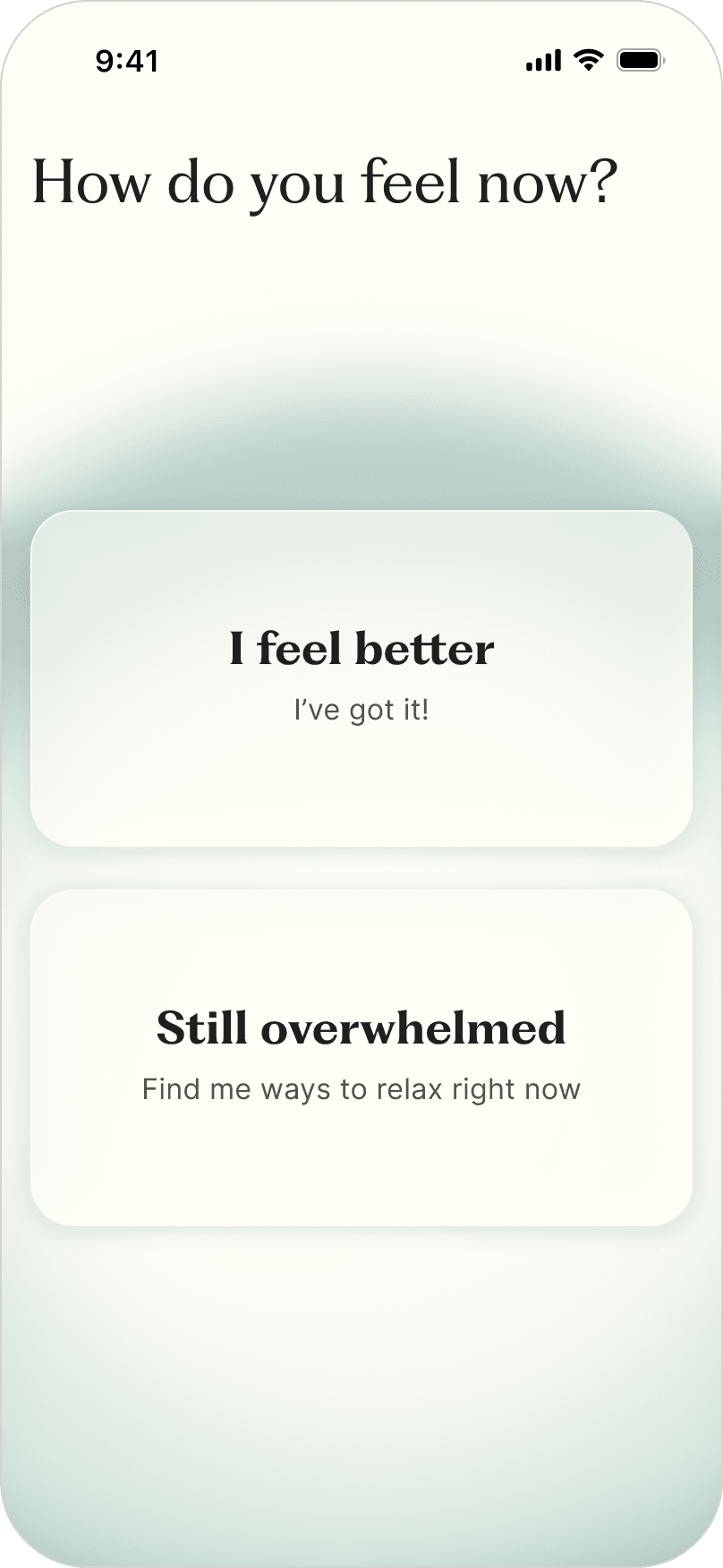
The Soma app provides suggestions to cope with moments of stress and identifies patterns without judgement.

PART 1: When stress arises during the day, and the user squeezes the SomaSeed

The app should surface only what’s needed: a short calming sequence and suggested actions to find peace in the moment of stress, while logging each squeeze to build patterns over time.

PART 2: At the end of the day, when the SomaSeed is returned to the terrarium

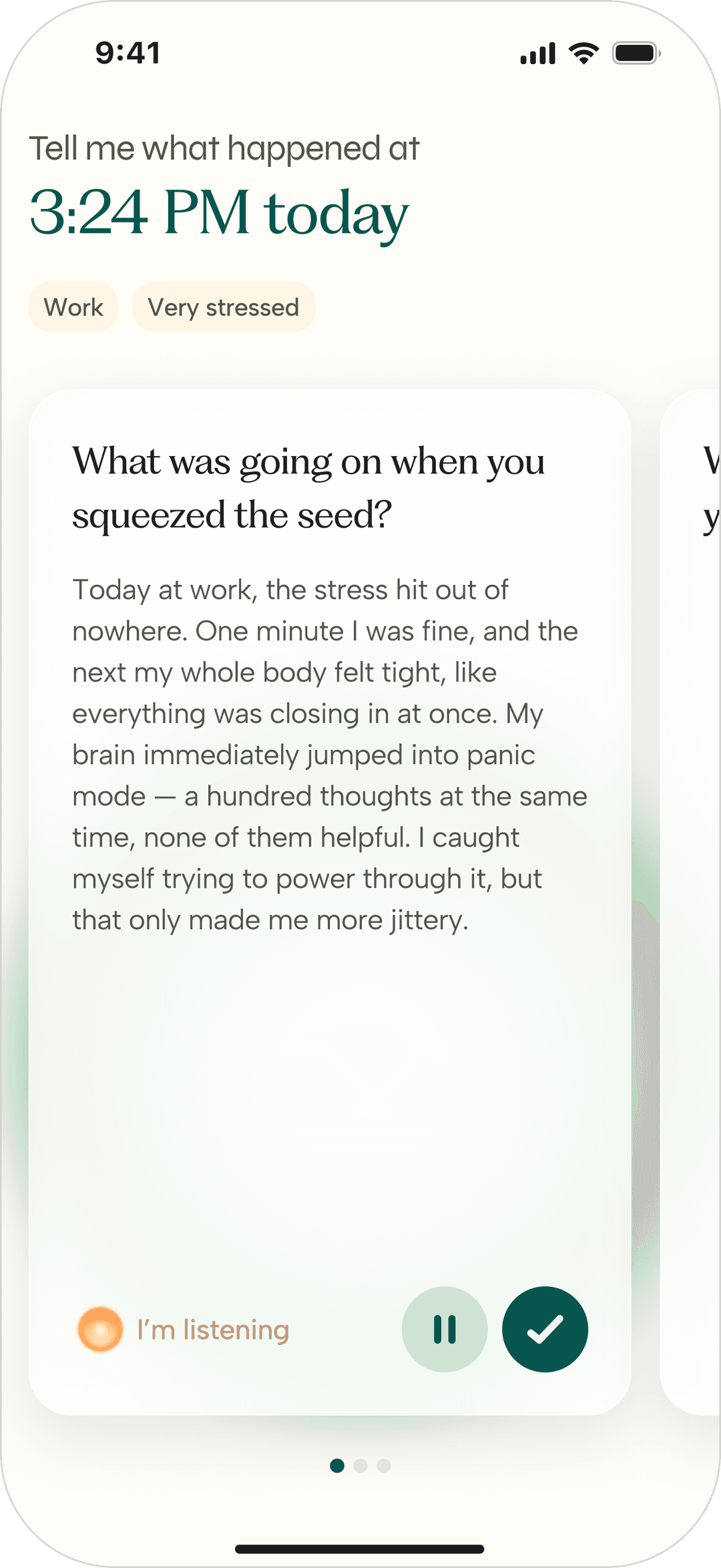
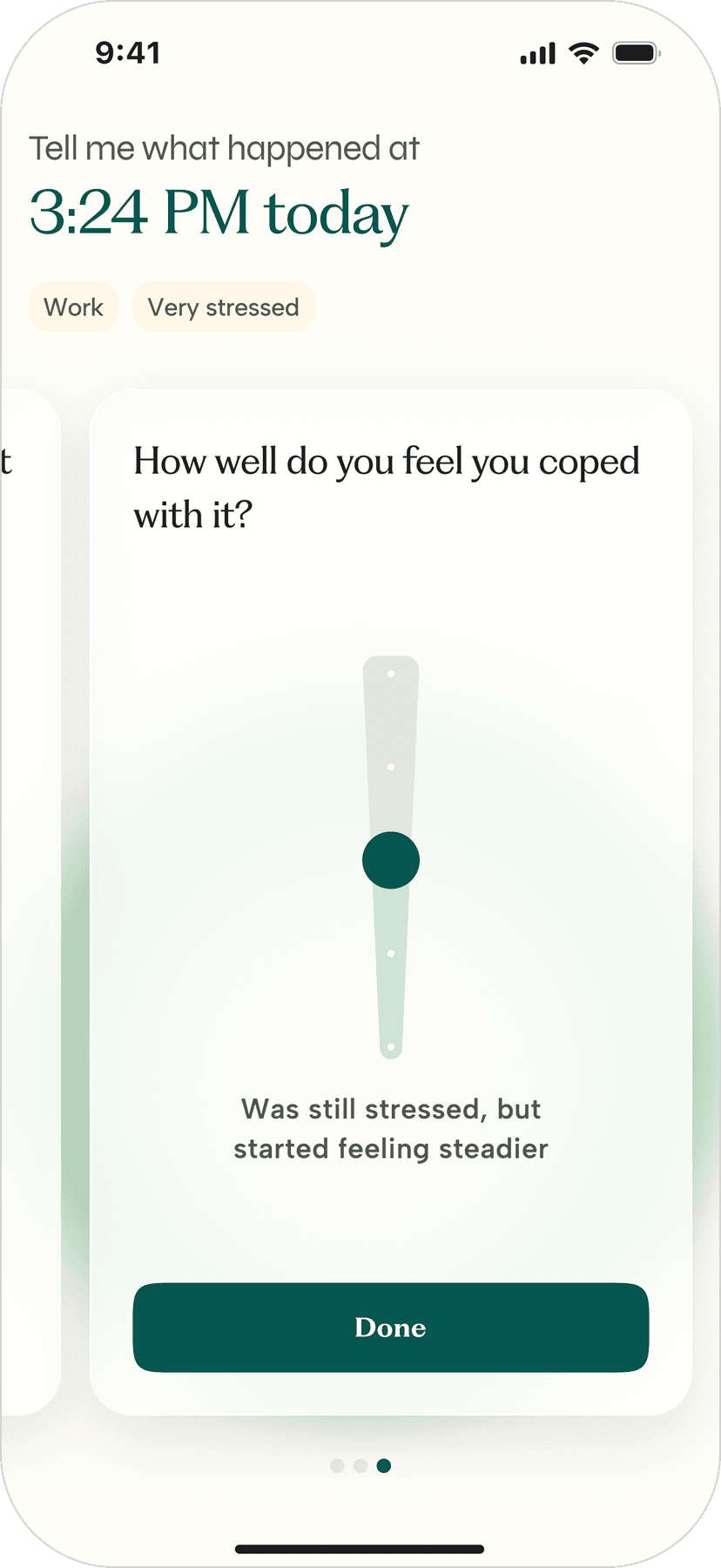
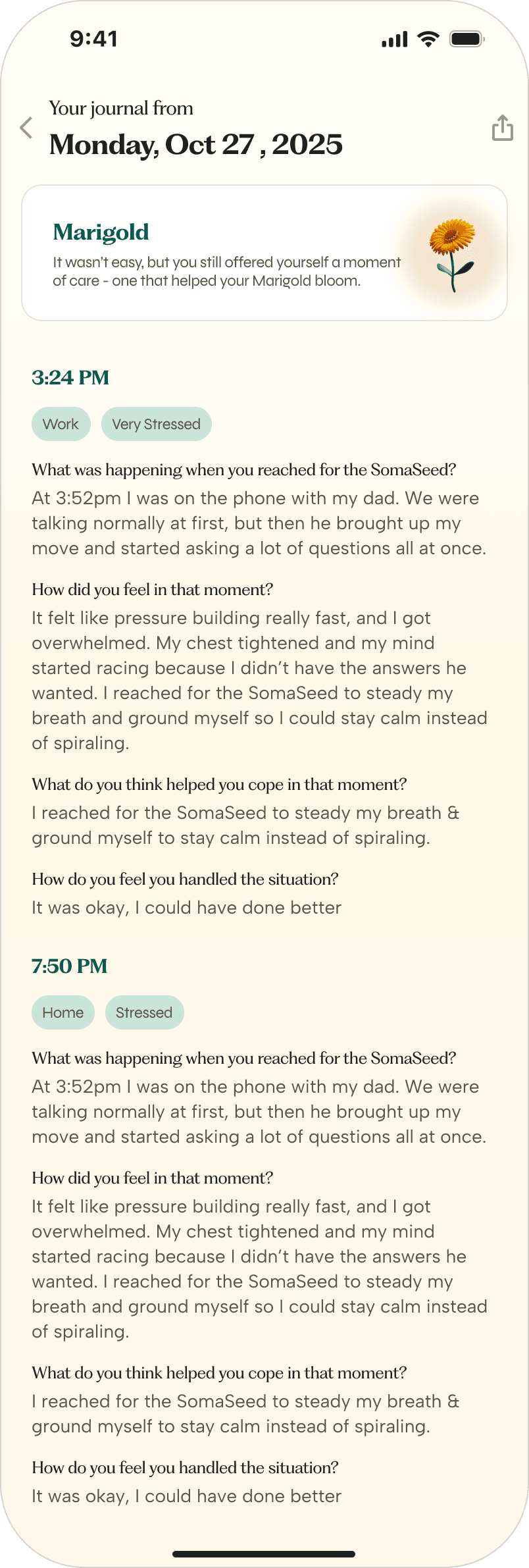
The app should nudge users to reflect on their day and think about how they coped with its stresses. This is aimed at creating a daily ritual of staying in touch with emotions and facing them head on rather than sweeping them under the rug.

PART 3: Bringing all moments of coping together to uncover stronger patterns

To further build on the emotional language of the system, we introduced a garden view of all the moments you conquer day-to-day. Different flowers reflect different stress patterns in a way that feels intuitive rather than clinical.
Outcomes

Testing brought us positive feedback and directions for future improvements.

“I would love something like this in my life!”
“Could it also proactively tell me to look out for things that could make me feel stressed?”
“What if I could share this with my mom?”
“I love the metaphor of the garden. It makes me feel peaceful.”
“I would love to share this with my therapist.”