Workflow Optimization
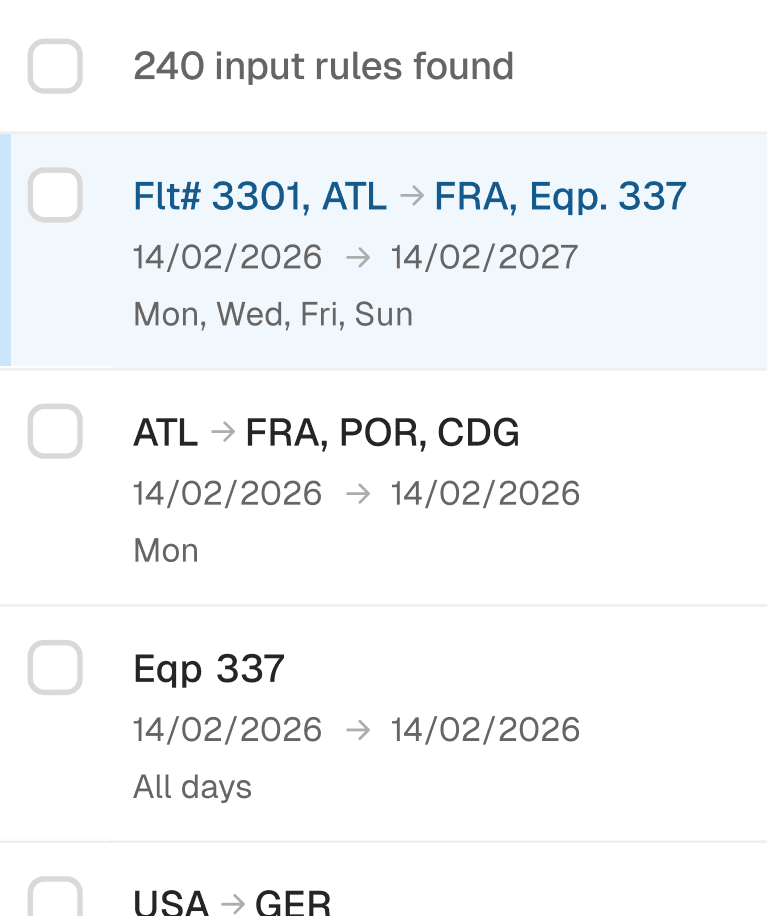
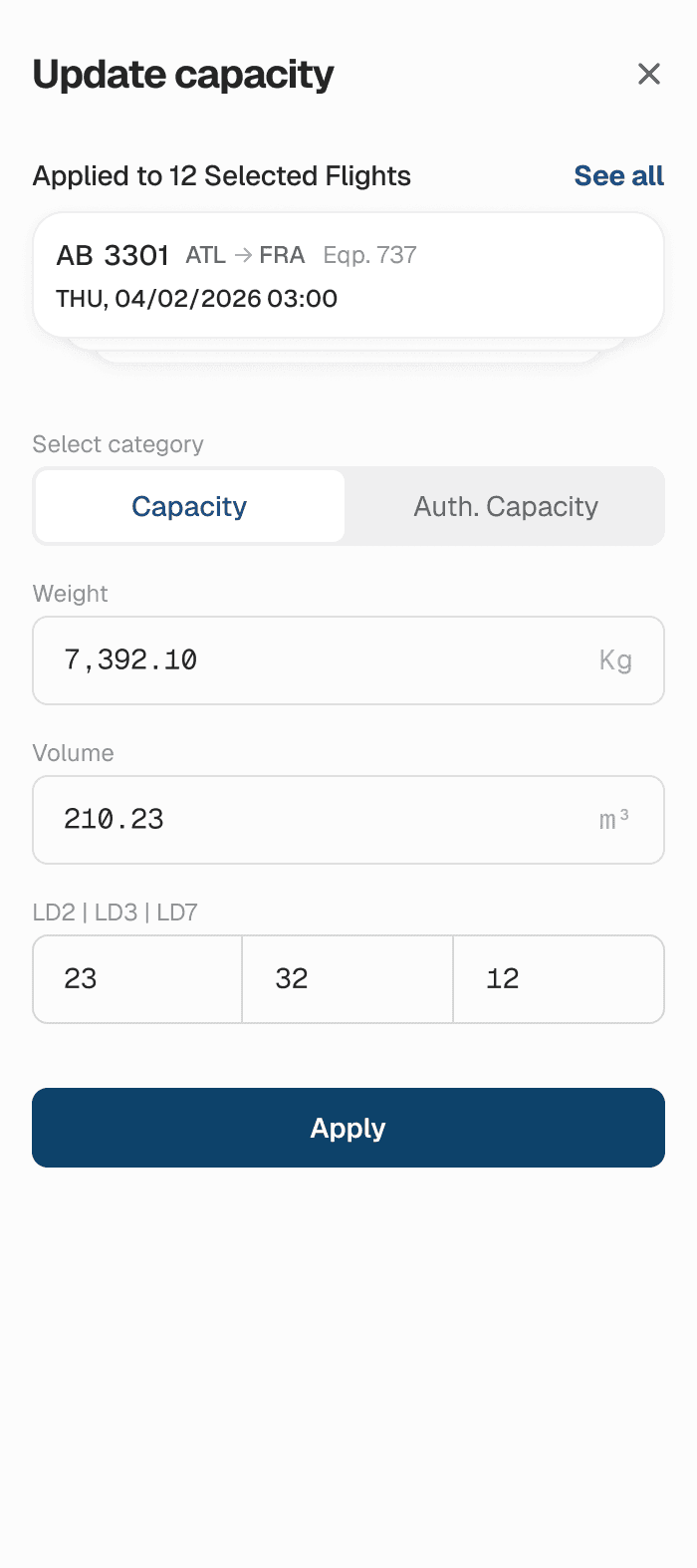
The core of my work has been reducing the manual effort required to do basic tasks at scale, whether that is managing capacity or pushing overrides.


At RTS,
About my role
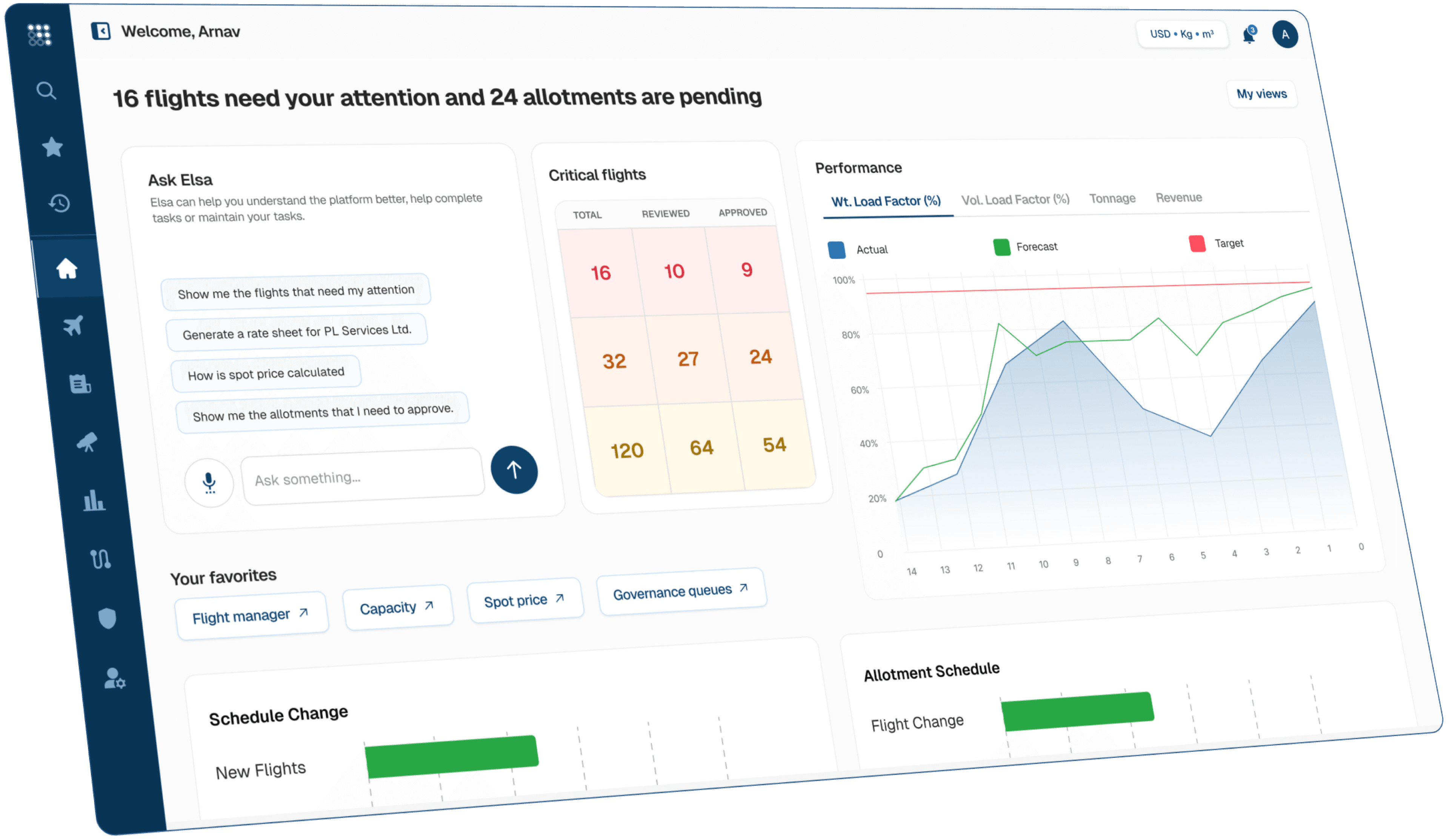
RTS’ current software suite has fragmented workflows which lead to a slow and opaque experience for cargo managers who rely on this software to manage shipments on hundreds of flights.
I have been collaborating with product managers, developers and customer cargo teams to own the end-to-end UX redesign effort.
Things I’ve worked on
The core of my work has been reducing the manual effort required to do basic tasks at scale, whether that is managing capacity or pushing overrides.
People in the cargo industry care a lot about execution speed. So, I have given a lot of focus to how the platform can become a seamless part of the way they work.
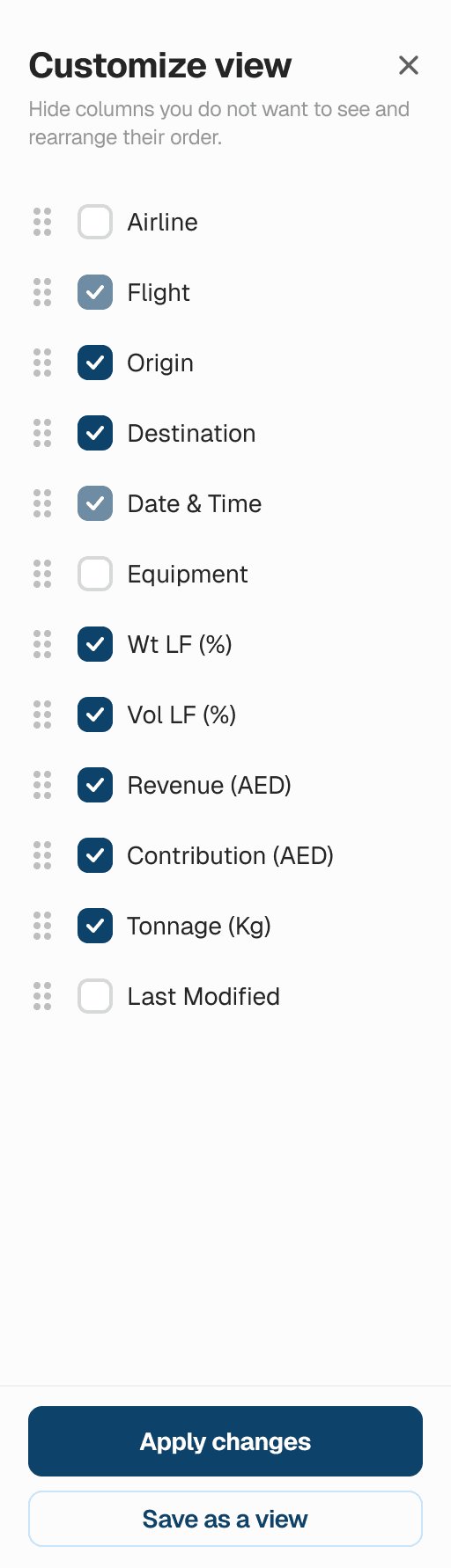

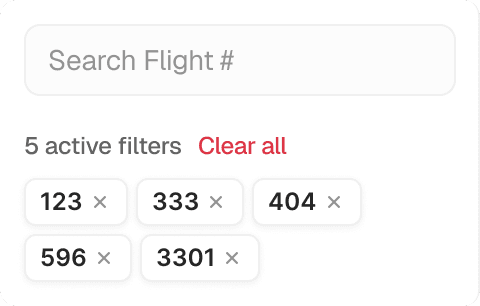

I have done research to understand existing painpoints, including on-ground studies with teams like Delta Cargo.
“I need to see all the values here to make an informed decision.”
“I set up reminders to review my work every month”
“How do you manage your overrides?”
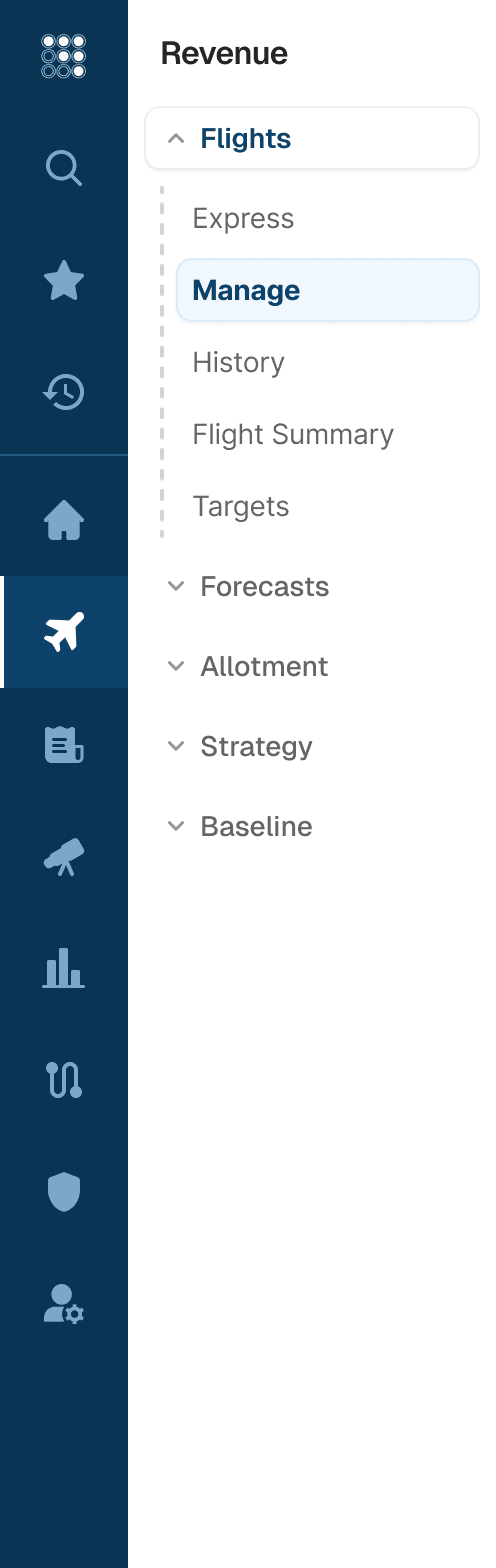
I crafted the component library for the new platform, focusing on consistent and easy-to-use states and tokens.




Design engineering
Internally,
As cargo software is very pattern-based, I have reduced our time to create modular prototypes significantly. Engineering teams now have more clarity into all states and edge cases.
Externally,
Cargo teams are non-technical stakeholders, so customers are receiving links to a prototype that resembles the final thing.
That’s all for now